Animation in India 2026
Animation has moved far beyond cartoons and films. It fuels entertainment, advertising, gaming, education, healthcare, and immersive technologies across India and beyond. With the growth of studios and the creation of new formats, the need for professionals in the field of animation rises. To stay relevant in this fast-changing field, students must understand the trends shaping the industry and choose learning paths that reflect real-world needs. The best animation colleges in 2026 play a key role by bringing creativity together with technology and industry needs.
AI Changes Creative Workflows
Artificial intelligence is changing how animation is produced. It now helps with tasks like creating backgrounds, rigging characters, and cleaning up motion, jobs that once took days. This technology does not replace artists; instead, it lets them focus more on storytelling, visual style, and emotion.
Students entering animation must learn how to collaborate with AI tools rather than compete with them. Best animation colleges 2026 prepare the students to lead the algorithms in a creative manner, combining technical effectiveness with personal artistic perception. Graduates who understand this balance are increasingly valued in studios that rely on faster, smarter production pipelines.
Real-Time Engines Transform Production
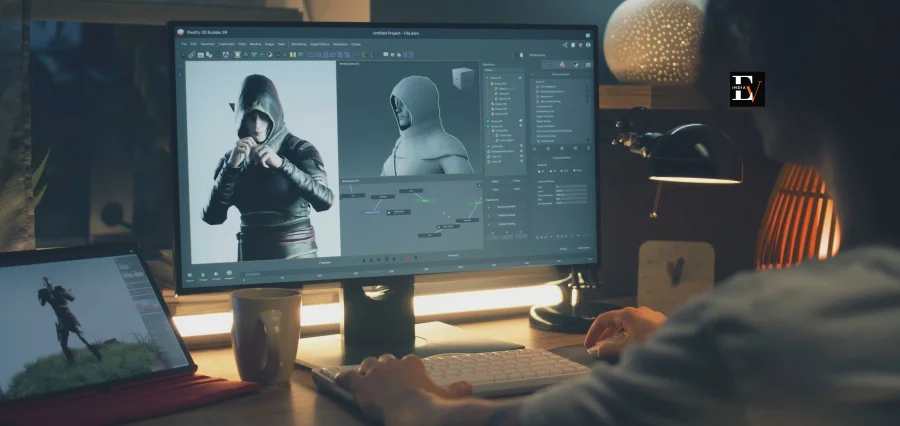
Traditional rendering workflows are giving way to real-time engines originally built for gaming. These tools let animators instantly preview lighting, movement, and camera angles. This speeds up production and reduces revision.
Real-time technology also lets filmmakers create virtual productions, showing digital environments live on set. Students trained in these engines can work across film, games, and advertising. Many best animation colleges 2026 now integrate real-time tools in the syllabus of their core classes, so that by the time they graduate, they possess all round production ready competencies.
Immersive Experiences Lead Storytelling
Audiences increasingly expect interactive content. Virtual reality, augmented reality, and mixed reality experiences are becoming mainstream in marketing, education, and entertainment. At the core of these formats is animation, which demands new strategies of spatial design and narration.
Specialized immersive tracks offered by the best animation colleges 2026 help students build experiences where viewers actively participate. These projects go beyond flat screens, creating portfolios that attract recruiters from technology firms, creative agencies, and experience design studios.
Short-Form Content Dominates Platforms
Social media has transformed the consumption of animation. Short, looping videos designed for mobile platforms now dominate attention spans. Animators must master fast pacing, bold visuals, and storytelling that works within seconds.
Colleges increasingly teach mobile-first animation techniques, focusing on efficiency and clarity. Short-form content also provides students with quick opportunities to experiment, establish online presence, and find freelance employment at the start of their careers.
Sustainability Shapes Industry Practices
As rendering demands grow, so does awareness of environmental impact. Studios are moving towards energy-efficient workflow, optimized assets, and responsible hardware use. Sustainability is becoming part of professional standards rather than a niche concern.
Students who are trained in efficient production techniques have an advantage during hiring. The best animation colleges 2026 are also using sustainable practices in the technical training process to enable graduates to create an environmentally conscious portfolios that align with global client expectations.
Cross-Discipline Skills Command Premiums
Modern animation intersects with coding, UX design, psychology, and marketing. Today, animators create interactive experiences, write shaders, study how audiences behave, and change content based on data.
Institutions encourage interdisciplinary learning through hybrid projects that combine technology and creativity. Students who develop multiple skill sets remain flexible and resilient as industry roles continue to evolve.
Cloud Collaboration Enables Global Teams
The production of animation has become global. Cloud-based platforms help artists from different countries work together. Understanding remote workflows, feedback systems, and cultural nuance has become essential.
Many colleges simulate international production environments, preparing students for global studios. Through this exposure, time adjustment is minimized, and confidence is enhanced by joining professional pipelines.
Portfolio Power Over Paper Credentials
In animation, skills matter more than degrees. Employers focus on good reels, concept work, and project breakdowns. Students are also encouraged to maintain professional portfolios as early as in the first year. Admissions now focus on creative potential, not just exam scores. What students create shows if they are ready for a career.
In Summary
Animation in 2026 rewards adaptability, curiosity, and continuous learning. Students who understand AI collaboration, immersive storytelling, sustainability, and interdisciplinary thinking gain long-term advantages. Best animation colleges 2026 act as launchpads by offering hands-on training, industry exposure, and evolving curricula.
For aspiring animators, the path forward is clear. Always practice, remain technologically inquisitive, create significant portfolios, and ensure that the learning environment is aligned with the direction the industry is moving. Animation is no longer just about drawing movement; it is about shaping experiences. Those who prepare now will define the creative future ahead.