Prime Highlights :
- India’s CSR framework is pushing companies toward specific, trackable projects — making education infrastructure one of the most compliance-friendly investment options.
- Martin Group has directed over Rs. 200 crore in CSR funds toward education, funding school renovations and college buildings across Tamil Nadu.
Key Facts :
- Rs. 7 crore donated to a single government school — one of the largest such contributions in the region.
- Rs. 1.39 lakh crore allocated to education in FY 2026-27, yet physical infrastructure still relies heavily on private CSR funding.
Background :
India’s higher education infrastructure deficit is drawing serious attention from the private sector, with companies channelling CSR funds directly into building classrooms, libraries, sanitation blocks, and student welfare facilities, assets that government budgets routinely under-fund.
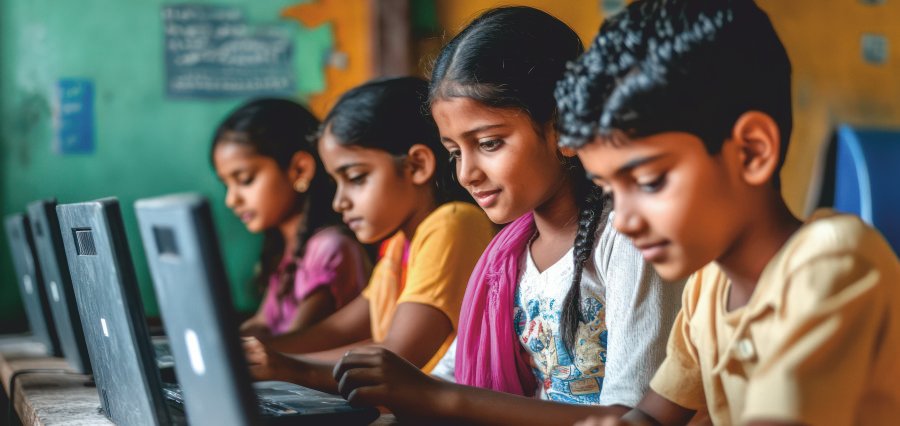
The same pattern observed across regions in India is now being implemented through new academic infrastructure projects to build institutional capacity. The Martin Group from Coimbatore operates its business activities in this particular market sector. The group reserved 7 crore through its School Adoption Program for the development of Corporation Middle School that has 413 students in Kavundampalayam. The project included construction of contemporary classrooms, digital laboratories, a library, a multi-sports turf, upgraded restrooms and security infrastructure. The group has since extended similar investments to Wedderburnpet Government Middle School in Coimbatore and donated Rs. 1 crore to Loyola College, Chennai, for a centenary building housing four modern classrooms.
What makes this model worth noting for institutional stakeholders is its specificity. The Martin Group directs its funds toward specific, clearly defined projects rather than making general donations, making it easier to track where the money goes and what it delivers. It has created a clear system that helps it follow India’s CSR rules while also achieving real environmental impact.
The money allocated through Union Budget for FY 2026-2027, mostly goes toward programmes and policy, not bricks. Physical infrastructure like school buildings, classrooms, and college facilities remains largely the responsibility of state governments to fund and maintain.
For companies deciding where to put their CSR money, education infrastructure is a practical choice. The work is visible, the impact is measurable, and it helps businesses meet their legal CSR obligations. Investing in phases, starting small and building over time, also makes it easier to manage and track. It is a model that other companies can follow when planning their own education-related investments.