Classroom Innovation
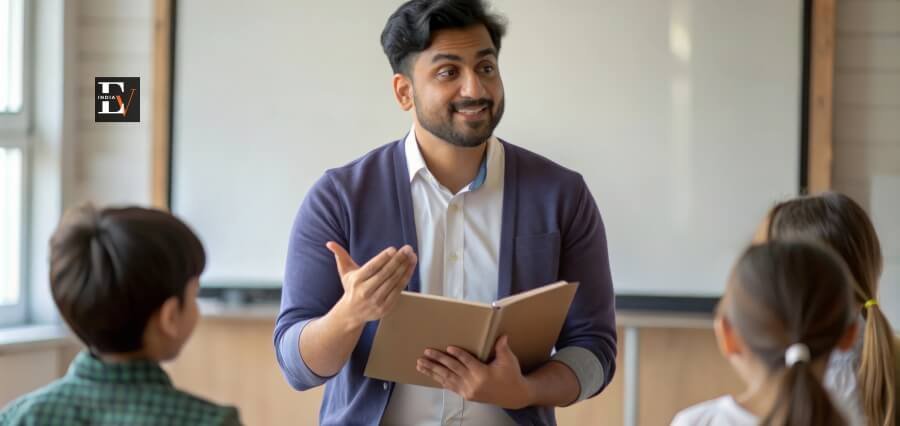
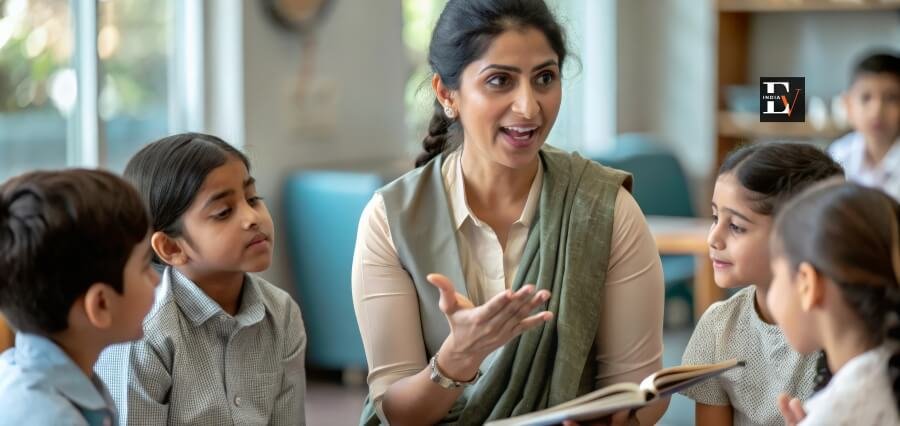
Teaching in India is changing in a meaningful way. Gone are the days when students just repeated lessons word for word to pass exams. Instead, they are becoming spaces where students are able to discuss ideas, pose questions and learn with interest. This is the change initiated by the top educators in India who think that education should be linked to the real world and not just exams. They are using practical and engaging methods to make education more effective and enjoyable for every student.
Hands-On Activities Bring Lessons to Life
Many teachers now use activity-based learning to explain concepts. Students perform experiments, build models, and solve real-life problems that make lessons easier to understand. These activities connect learning with daily life, such as using simple household items for science or maths. Top educators in India design these tasks in a way that keeps students interested and involved.
Group work also becomes an important part of this method, helping students share ideas, work together, and build confidence. Over time, this approach turns classrooms into active spaces where learning feels natural and enjoyable.
Smart Use of Technology Opens New Doors
Technology is being used carefully to support learning. Teachers use videos, presentations, and basic digital tools to explain difficult topics clearly. This helps students visualise concepts and understand them faster. At the same time, teachers ensure that technology does not replace personal interaction.
Discussions, questions, and activities remain an important part of the classroom. Even in places with limited internet, offline resources help continue learning smoothly. This balanced use of technology prepares students for the modern world while keeping learning simple and connected.
Building Life Skills for Real-World Success
Modern education now focuses on life skills along with academic subjects. Students take part in debates, group discussions, and presentations to improve communication and thinking skills. Top educators in India encourage progress instead of perfection, creating a safe space where students can try new ideas without fear.
This will aid them in developing confidence, decision-making skills, and problem-solving. These are not only the skills which enhance performance in school but also assist students to cope with real-life situations.
Collaborative Learning Strengthens Community
Classrooms are increasingly getting interactive with group work and sharing ideas. Teachers guide discussions and ensure that every student participates. This practice enables students to learn various perspectives and honor the opinions of other people.
It also teaches them how to work as a team and solve problems together. Over time, this creates a supportive environment where students learn from each other and grow together.
Personalised Approaches Honour Unique Talents
Every student has a unique way of learning. Teachers now observe students closely and adjust their methods to suit individual needs. Some students learn better through visuals, while others prefer hands-on activities. Top educators in India ensure that no student feels left behind by offering extra support where needed and advanced tasks for fast learners. This personalised approach builds trust and encourages students to take an interest in their own learning.
Nature as Teacher in Open Spaces
Outdoor learning is also becoming popular. Teachers take students outside to observe nature and understand concepts directly. This renders topics such as science and geography more interesting and easier to relate to. Fresh air and movement improve focus and energy levels, helping students stay active and engaged. Nature-based learning also builds curiosity and a deeper connection with the environment.
Curiosity Through Thoughtful Questioning
Teachers now focus on asking questions that encourage thinking rather than giving direct answers. This assists learners in challenging concepts and builds logical thinking. Many teachers in India use open-ended questions to spark curiosity and interest in learning. Students become active learners who enjoy discovering new information instead of memorising it.
Stories That Stick and Inspire
Storytelling is used to make lessons simple and memorable. Teachers explain topics through stories that connect with students emotionally. This improves understanding and helps students remember concepts for a longer time. Students also share their own ideas, which builds creativity and confidence.
Positive Feedback as Growth Partner
Teachers now focus on motivating students by giving feedback regularly. They emphasize positive aspects and assist in making positive changes. This develops trust and encourages learners to continue learning. A positive classroom environment helps students take risks and grow without fear.
Inclusive Methods Embrace All
Inclusive teaching ensures that every student participates and learns equally. Educators apply various techniques to assist all students, including learners who require additional assistance. This builds a classroom where everyone feels valued and respected. Students learn together, building unity and understanding.
Conclusion
India’s classrooms are evolving with simple yet meaningful changes that are aimed at real learning. Education is becoming more practical, inclusive, and engaging with the guidance of the top educators in India.
These teachers are not merely raising the grades; they are equipping the students with life after school. By combining creativity, technology, and personal attention, they are building confident learners who are ready to face the future with clarity and purpose.