Empowering Educational Excellence
Ask most people in India to picture a teacher, and there’s a good chance they will picture a woman. Teaching has been one of the few careers that families readily accepted for their daughters, so women have filled classrooms across the country for a long time. What has changed is how far their influence now reaches. The women transforming Indian education today run schools and plan courses, and their voices carry real weight in decisions that used to be made without them.
From Classroom to Leadership
For many years, women did much of the daily work in schools but held very few of the top jobs. The principal’s office and the education board were mostly filled by men. Women were trusted to teach, though not often to lead.
That has been changing, slowly at first and then more noticeably. More women now sit in senior posts at schools and colleges. Many of them got there by studying further while working full time, which is no small thing when family duties are also waiting at home.
The Heart of the Classroom
Everything in education still begins with the teacher. A patient teacher can change how a child feels about learning, and that feeling can last a lifetime. Many of the women transforming Indian education started in the classroom and chose to stay there, because they believe it is where they do the most good.
The way lessons are taught has shifted too. There is less pressure to repeat facts word for word and more room for students to think and ask questions. Women teachers have been at the front of this change in many schools, often before any official rule asked them to be.
Reaching Rural Communities
Schools in villages and small towns often struggle with too few teachers and too little equipment. Some parents still hesitate before sending a daughter to school. A woman teacher can ease that worry in a way that few other things can. Parents feel more comfortable, and girls are more likely to keep coming to class.
In these places, women transforming Indian education usually take on much more than lessons. They visit families when a child stops showing up. They stay late to help students who are falling behind, and over time many become trusted figures in the community.
Leading Schools and Institutions
A school takes on some of the character of the person leading it. Many women heads place student well-being right alongside exam results, and they notice the quiet child at the back who might otherwise be missed.
Their way of leading is often different, too. The women transforming Indian education at this level tend to listen first and decide afterward. They lean on teamwork more than strict orders, and staff often respond well to being trusted.
Bringing New Ideas Into Learning
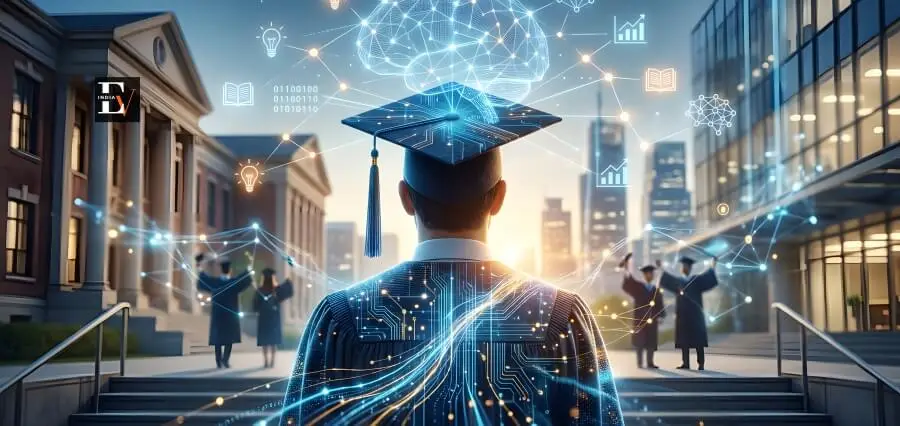
Technology has opened up new ways to reach students, including those living far from any big city. Women educators were among the first to try these tools, and many found ways to make lessons easier to follow through them.
Some have gone a step further and started their own education ventures, building learning materials or training programs for other teachers. It is a reminder that fresh ideas in education often come from people who have spent years inside a classroom, and women transforming Indian education are a big part of that.
Role Models for Girls
There is another side to all this that doesn’t get talked about enough. When a girl sees a woman leading her school, her sense of what is possible quietly grows. No lesson plan can do that as well as a real person standing in front of her.
This matters in a country where girls have not always had the same chance at schooling as boys. The women transforming Indian education give these girls someone to look up to, often someone from a background very much like their own.
The Challenges That Still Remain
None of this has come easily. Many women still juggle demanding jobs with heavy responsibilities at home, and support from either side can be thin. In some places, pay and promotions lag behind what male colleagues receive. Women teaching in remote areas may also worry about their safety on the way to work.
These problems mean that women transforming Indian education often have to work much harder to be heard. Fairer workplace policies and more flexible hours would help many of them stay in the profession and move up within it.
Looking Ahead
Indian education is changing fast, and women are right in the middle of that change. Some are teaching, some are leading, and others are building something entirely new. Whatever the role, the women transforming Indian education are laying the ground for a system that works better for students who were once left out. Giving them the support they need may be one of the most useful things the country can do for its schools.